

(Article Notes: Gem2 Flash Thinking used for structure, then I wrote over it. I woke up at 4am with the idea and couldn’t stop myself from writing the ideas down.)
I’ve been interviewing at some game shops lately and am realizing how much I miss and crave interesting work and collaboration in a team. I’ve got lots of interesting new skills and experiences, and I’ve really levelled up my development workflows by entrenching myself with AI for months full time and understanding the ways that I can accelerate myself. But technical delivery is such a small piece of what it means to be a dev. Recently my path to becoming a more effective software developer has been shaped by experiences both within and beyond the world of tech. The most important lessons that I have started to apply to my development practices are coming from my day trading practice. While seemingly disparate, these experiences have forged a consistent work ethos centered on rigorous self-reflection, a data-driven approach, and a commitment to collaborative innovation. This ethos guides how I approach my work and, more importantly, how I contribute to the effectiveness of any team I join.
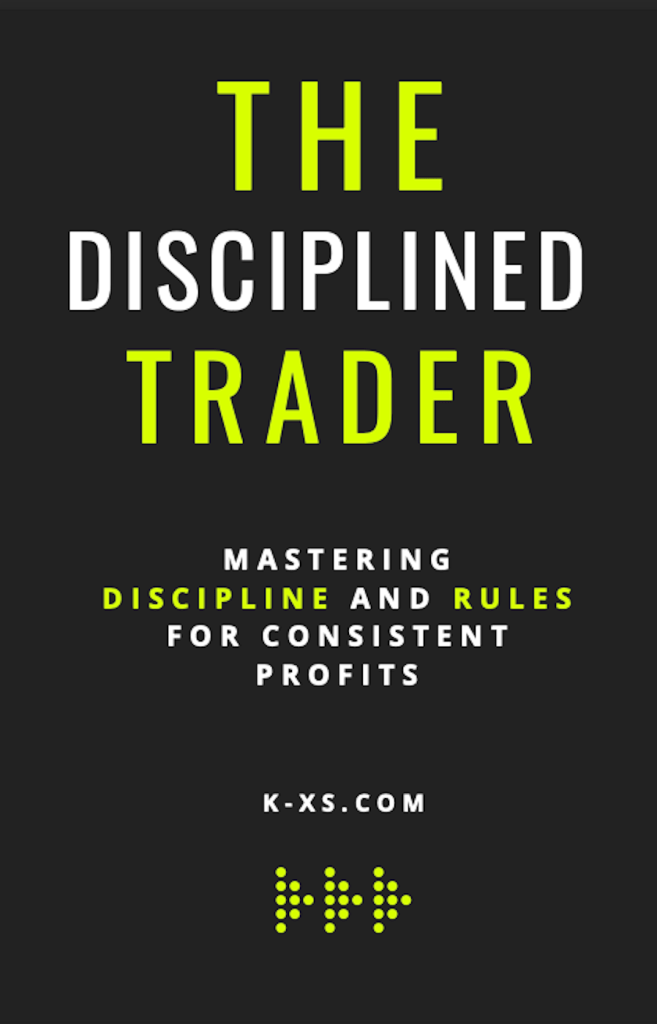
At the heart of my approach is a deep-seated belief in the power of continuous improvement. I’m near completing my third book: “The Disciplined Trader,” which outlines the process of self-reflection required to reach peak performance in demanding skill. These ideas stem directly from the quantifiable nature of trading, where every decision has a measurable outcome and constant self-assessment is crucial for success. In software development, this translates to a commitment to analyzing my decisions and their combined effect on performance, maintainability, and supportability. Code reviews become opportunities for objective evaluation, not just of the code itself, but of my own thought process. I constantly ask myself: Did I choose the right approach? Are the designs clear with every change, or is design decaying? How can this be improved? This data-driven mindset ensures I’m always striving for better solutions and not simply accepting the status quo.
This commitment to self-reflection extends beyond technical considerations. I recognize the impact of emotional intelligence on team dynamics and individual performance. Lessons learned from understanding the influence of emotions in high-pressure environments, reinforced by the insights of Brené Brown on vulnerability, have taught me the value of openness and honesty within a team. Asking for help when facing a challenge, admitting mistakes, and engaging in constructive feedback are not signs of weakness, but essential components of a healthy and high-performing team. While these approaches need to be employed skillfully, I’ve directly observed how powerful these practices are in building meaningful relationships and real human trust within a delivery team. I believe in fostering a culture where vulnerability is seen as a strength, encouraging open communication and mutual support, as advocated by organizations like the Harvard Business Review. I’ve even seen vulnerability measured as a performance objective more recently in remote-only tech organizations – BlueCat has this as a metric on their performance reviews, and I was given the top ranking every review: “Sets a new standard within the organization” The effects on a team dynamic eventually become obvious: effective knowledge sharing, and deeper collaborations between team members are the effects that become visible. The real measure of my success isn’t simply a more effective team, but it’s in the richness of human experience – the reciprocity of trust and real human care that I give, I receive it back from my peers. I remember one day a co-worker reached out to me feeling stuck and overwhelmed one day. I met him where he was and after ensuring he felt safe and supported, worked our way out of the problems he was facing before an upcoming deployment. When I heard him call me “A literal angel from heaven” I saw a glimmer reflected back of how I’m seen. I remember another co-worker shed a tear when I was exiting to go hack on quant things, and I just started having calls with him after I left. We built a real human connection, and I sometimes don’t see it right away – how much it can really impact people the way I am with them. But I get it now, I see more reflections and it gives me more evidence to understand my own power in my approaches. I’m not perfect, and I tend to be slightly insecure – a side effect of having worked with some tremendously bright people. You understand how the very best function, and it makes you feel a bit less skilled than you are (inverse Dunning Kruger Effect). So when I collect evidence of the degree of my impact, I have to boost myself a little bit to remember my strength.

(Above – Dunning Kruger Effect) on the far right of the skill scale, a person will tend to perceive their skills as weaker than they are. I was over-confident early in my career (both coding and trading) and now experience the opposite often. I have a tendency to “be hard on myself, and gentle with others”. I’m trying to work on this and be gentler to myself for improved self-confidence. I’ve noticed I’ll accomplish aspirational feats and not see it as anything particularly special, or I’ll be hard on myself for not being at peak velocity even while I’m turning in solutions early. I’m moving very fast lately but I still implemented measurements to my days to be able to review and iterate on my performance. I’ll write another article once I refine the tracking further. I put a project on my github of a seed of an application to automate it as well but I’m not quite there yet with it.
One of my favorite things to talk about and go through is onboarding into a new workplace culture. My approach to joining a team is grounded in a philosophy of understanding before action. The onboarding process itself is a great microcosm, where you go through the onboarding process, and after you’ve gained context, you have the unique and fresh perspective to be able to iterate on and update the artifacts/documents used in onboarding. My approach to being in a workplace culture is the same: I prioritize immersing myself in the existing culture, observing team workflows, communication styles, and established practices. This initial phase is about listening and learning, understanding the rationale behind existing decisions and respecting the context that has shaped the current environment. It’s about building a solid foundation of understanding before attempting to contribute or suggest changes. Your perspective is incomplete – this isn’t your domain. So this is where you ask questions to clarify items you observe, not attempt to change them. The modern human often wants to speak before they listen, and it’s easy to make this mistake when interfacing with work culture.
My moddo is “embody the culture first.” After gaining a strong grasp of the team’s dynamics and goals, my focus shifts to embodying the positive aspects of that culture and leading by being an example of the aspects and behaviours, augmented by my own best practices. A tangible manifestation of this is my practice of always being the first reviewer of my own code. Before submitting a pull request for others to review, I leave a review on my pull requests first, documenting my thought process and proactively identifying potential issues to fix before other reviewers look. This isn’t just about personal accountability; it’s about demonstrating the level of rigor and self-reflection I believe is essential for producing high-quality work. By sharing this self-reviewed code, this is how I contribute back and influence the culture, showcasing a best practice through consistent action rather than direct instruction. It’s about contributing positively to the team’s overall standards and fostering a culture of excellence through personal demonstration.
My business acumen further enhances my ability to contribute meaningfully to a team. When I was in business school, I heard a student say that it was uncommon for a marketing student to graduate without a teacher making them cry. I remember the marketing classes, they would not hold back if your ideas were not justified. I learned these skills well, and I remember teachers asking to use my presentations to show other classes my analysis. That was before my career started, these soft-skills have been honed and I’ve won awards in most larger organizations I’ve worked for for the impact I have in helping organization to solve hard problems. I’m trained to evaluate ideas based on their value proposition, and I bring this critical eye to identifying opportunities for improvement within a development context. My past success in driving impactful changes through innovative solutions wasn’t about imposing my will, but about identifying genuine needs, developing well-reasoned solutions, and effectively communicating their value to gain buy-in to make the changes when it made sense. I believe in a collaborative approach to innovation, where ideas are evaluated based on their potential to deliver tangible benefits, whether that’s reduced cost by improved data handling through AWS, tooling improvements such as implementing fully automated deployments to prod, or enhanced user experience through a more stable and performant platform through the use of the actor model or circuit breakers in critical places in a codebase.
Ultimately, my work ethos is about being a proactive, reflective, and collaborative team member. I believe in the power of data-driven decision-making, the importance of vulnerability and open communication, and the effectiveness of leading through example. I strive to join teams not just as a coder, but as a contributor who actively seeks to understand, embody positive practices, and collaboratively drive innovation. My goal is to be a highly effective member who elevates the performance of the entire team, contributing to a culture of continuous improvement and shared success. My highest goal is always to be seen as a knowledgable mentor to those earlier on their journey, and a deeply contemplative perspective for my senior peers and leadership.


 k-xs
k-xs 
Leave a comment